

As a new Labrador owner, you may have heard about dewclaw removal. This procedure is often a topic of discussion among pet owners and veterinarians. Dewclaws are the small, extra digits located on the inner side of your dog’s paw. Some owners choose to have them removed for various reasons. New puppies should have their dewclaws removed within 3-5 days of birth for the most successful and least traumatic experience.
As a breeder, we changed our policy on dewclaw removal in January of 2024. Before this, we removed the dewclaws from all puppies in our litters. The procedure is not without potential complications for puppies and it was an added cost for us.
Over the years, we have had minor post-operative issues with infections, and a few puppies have had a dewclaw grow back as an adult. It’s rare, but it can happen. Our deciding factor to discontinue removing dewclaws was a conversation with our vet, Dr. Shawn Wayment, DVM. Dr. Shawn published an article in April of 2024 that documents the long-term joint risks of dewclaw removal in large-breed, sporting dogs like Labradors. You can read the entire article here: The Great Dewclaw Debate (The Upland Almanac).
The decision to remove dewclaws is not always straightforward. It involves considering several factors, including your Labrador’s health, lifestyle, and potential risks associated with the procedure. We try to educate our clients about Labradors and issues that may impact their health.
This article aims to provide a comprehensive guide on dewclaw removal and the benefits/risks associated with the procedure. We’ll delve into what dewclaws are, the removal procedure, and the associated costs. We’ll also discuss the potential risks and complications and alternatives to removal. By the end, you’ll be equipped with the knowledge to make an informed decision about your Labrador’s dewclaw removal. So, let’s dive in and explore what every pet owner should know about dewclaw removal.
Understanding Dewclaws in Labradors
Dewclaws are fascinating features in dogs, including Labradors. They are like extra thumbs positioned higher up on the leg than the other toes.
In Labradors, dewclaws can be either functional or vestigial. Here’s what you should know:
- Front Dewclaws: These are often more functional.
- Hind Dewclaws: Typically less common and may be less developed.
- Variation: Not all Labradors have them.
These claws can help with traction and control when your dog is running or climbing. However, they can also pose risks if caught on objects. Understanding their purpose and potential drawbacks will help you make informed choices about their care, whether you opt for removal or decide to keep them intact.
The Dewclaw Removal Procedure
The decision to remove dewclaws is not to be taken lightly. It’s crucial to understand what the procedure entails. Dewclaw removal is often done when the dog is very young, just a few days old. Typically, breeders or vets will perform the procedure. During the procedure, the dog is placed under a mild anesthesia. This ensures comfort and minimizes pain during the surgery. The veterinary team will carefully remove the claw.
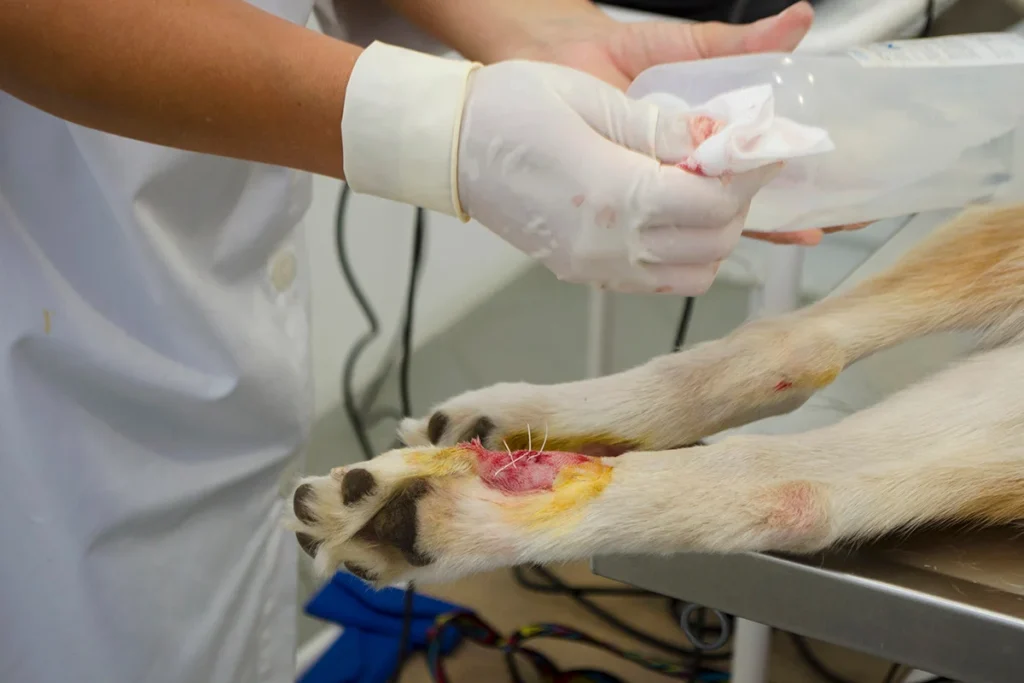
The process involves cutting through the skin, removing the nail root, often followed by a few stitches. Recovery from surgery should be relatively quick, especially for puppies. Adult dogs might experience a more extended healing period. It’s essential to follow post-operative care instructions. Your veterinarian will provide guidance to ensure a smooth recovery for your Labrador. Be vigilant for any signs of infection or complications as the dog heals.
To Remove or Not to Remove?
Deciding to remove dewclaws can be challenging. Various factors can influence this decision. Some owners decide to remove them in order to prevent future injuries. Dewclaws can sometimes get caught or torn. If the dewclaw is torn, it can be quite painful and traumatic for an adult dog.
However, not all dewclaws pose risks. Here are some factors to consider:
- Breed-specific needs: Certain breeds, like Labradors, may not require removal.
- Activity levels: Active dogs engaged in sports or hunting might benefit from removal.
- Veterinarian advice: Always consult with a vet before proceeding.
Consider your dog’s lifestyle and health. The risks and benefits should be carefully weighed before making this decision. It’s essential to make a choice that aligns with your dog’s well-being.
Potential Risks and Complications
Dewclaw removal, like all surgeries, carries risks. Infection is a primary concern post-surgery. Anesthesia presents another set of risks. While generally safe, some dogs may react adversely. Bleeding during or after the procedure is possible too. This can complicate recovery if not addressed promptly.
Furthermore, some dogs might experience discomfort or pain. Effective pain management is essential to ensure a smooth recovery process. Monitoring your Labrador for any signs of distress is crucial. Regular check-ups with your vet can mitigate most complications. Understanding the risks involved helps in making an informed decision. Always prioritize your Labrador’s health and comfort when considering dewclaw removal.
Dewclaw Removal Cost and Factors Affecting It
The cost of dewclaw removal can vary significantly. Factors include your location and the veterinarian’s experience. Typically, the procedure ranges from $50 to $300. Prices vary based on whether anesthesia and post-operative care are included.
As a breeder, it usually cost us $150 per puppy for the procedure in our area of Colorado. Waiting until the dog is an adult is a more involved procedure and can cost $750-$1,000. That’s why it’s important to consider if and when to have the dewclaws removed.
Factors Influencing Cost:
- Geographic location
- Veterinary clinic pricing
- Anesthesia use
- Age of your dog
- Additional surgeries, such as spaying or neutering
Remember, unexpected complications can increase costs. Be prepared for potential additional expenses. Always discuss all cost aspects with your vet beforehand. This ensures you understand the financial commitment involved in dewclaw removal.
Post-Operative Care for Your Labrador
Once your Labrador undergoes dewclaw removal, proper care is crucial. Ensure a clean and peaceful recovery area for your pet. Close supervision helps prevent your dog from licking the surgical site. Consider using an Elizabethan collar if necessary. Monitoring your Labrador’s behavior is key. Watch for signs of discomfort or pain, such as whining or limping.
Administer prescribed pain medications as directed. This helps manage any discomfort during the recovery phase. Keep an eye out for signs of infection. Redness, swelling, or discharge at the site may indicate a problem. Follow your veterinarian’s guidelines for recovery. Regular check-ups ensure healing progresses without complications. This dedicated care helps your Labrador return to their playful self.
Alternatives to Dewclaw Removal
Dewclaw removal isn’t your only option. Some pet owners prefer regular maintenance instead. Trimming your Labrador’s dewclaws can prevent them from catching on objects. Puppy claws grow quickly and we maintain them at least every other week with a nail grinder.
Our adult dogs are examined and trimmed approximately every 6-8 weeks or when we have them groomed. Using nail caps is another alternative. These protective coverings help avoid injuries without surgery. Talk with your vet for personalized advice. They can guide you on dew claw care without opting for removal.
Ethical Considerations and Legal Status
Deciding to remove dewclaws involves ethical reflections. Some believe it’s unnecessary and purely cosmetic. The debate centers on whether the procedure benefits the dog. Consider your dog’s health and lifestyle. Laws regarding dewclaw removal differ by location.
Some regions have regulations governing the practice…some states may even prohibit it. Understanding the legal framework in your area is crucial. It ensures you comply with local animal welfare standards.
Finding a Reputable Veterinarian for Dewclaw Removal
Choosing the right veterinarian is vital. Look for someone with experience in dewclaw removal procedures. Check reviews and seek recommendations from other Labrador owners, especially if you have the procedure done when your dog is older. Ensure the vet explains the process and addresses your concerns. This builds trust and ensures your dog’s well-being during the surgery.
Conclusion: Making an Informed Decision
Deciding about dewclaw removal requires thought and knowledge. Weigh the pros and cons based on your Labrador’s needs. Consulting with a veterinarian ensures you consider all aspects. Ultimately, the choice should prioritize your dog’s health and happiness. For more information on declaws, check out this article from the American Kennel Club (AKC) What Are Dog’s Dewclaws?
